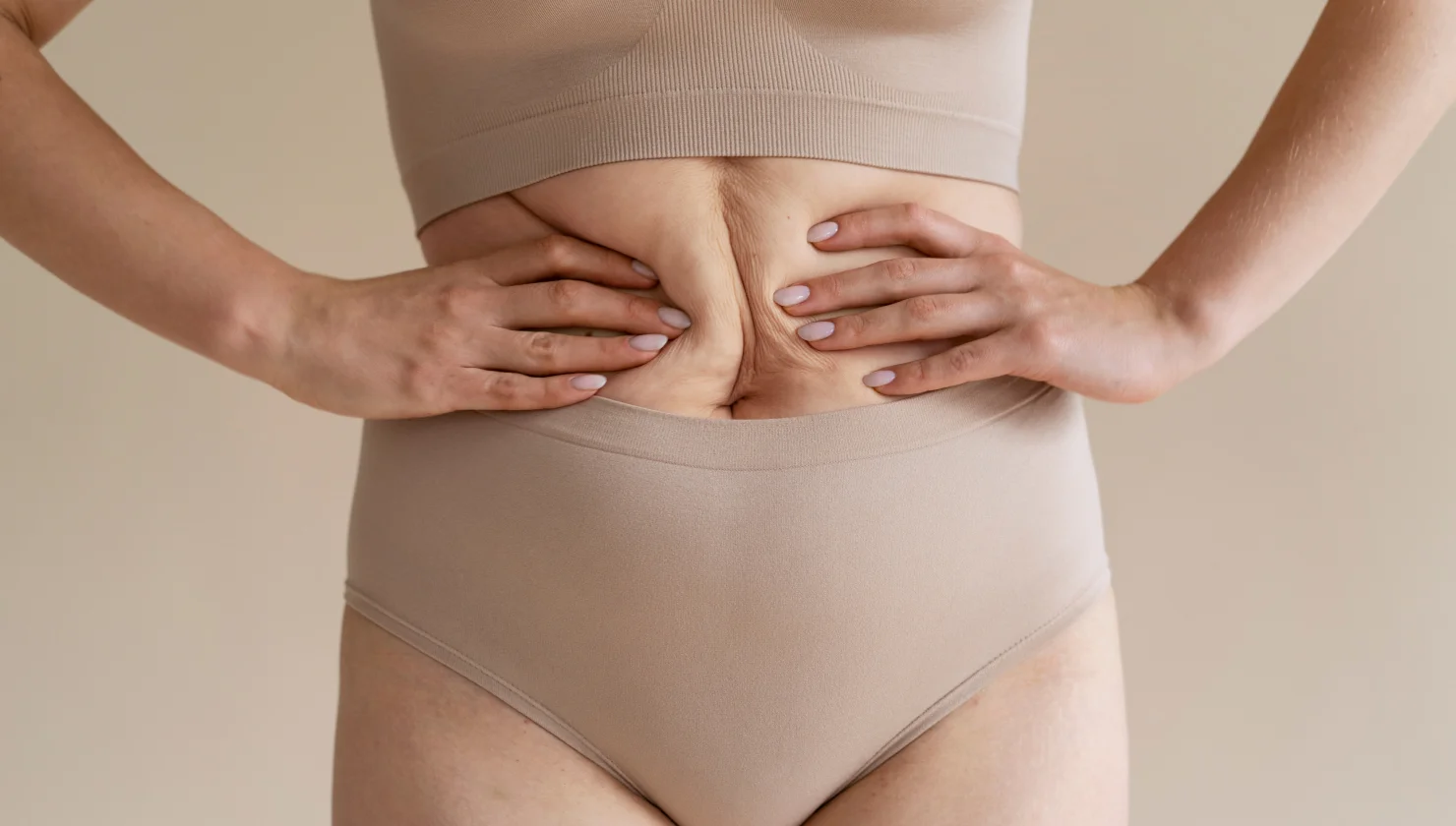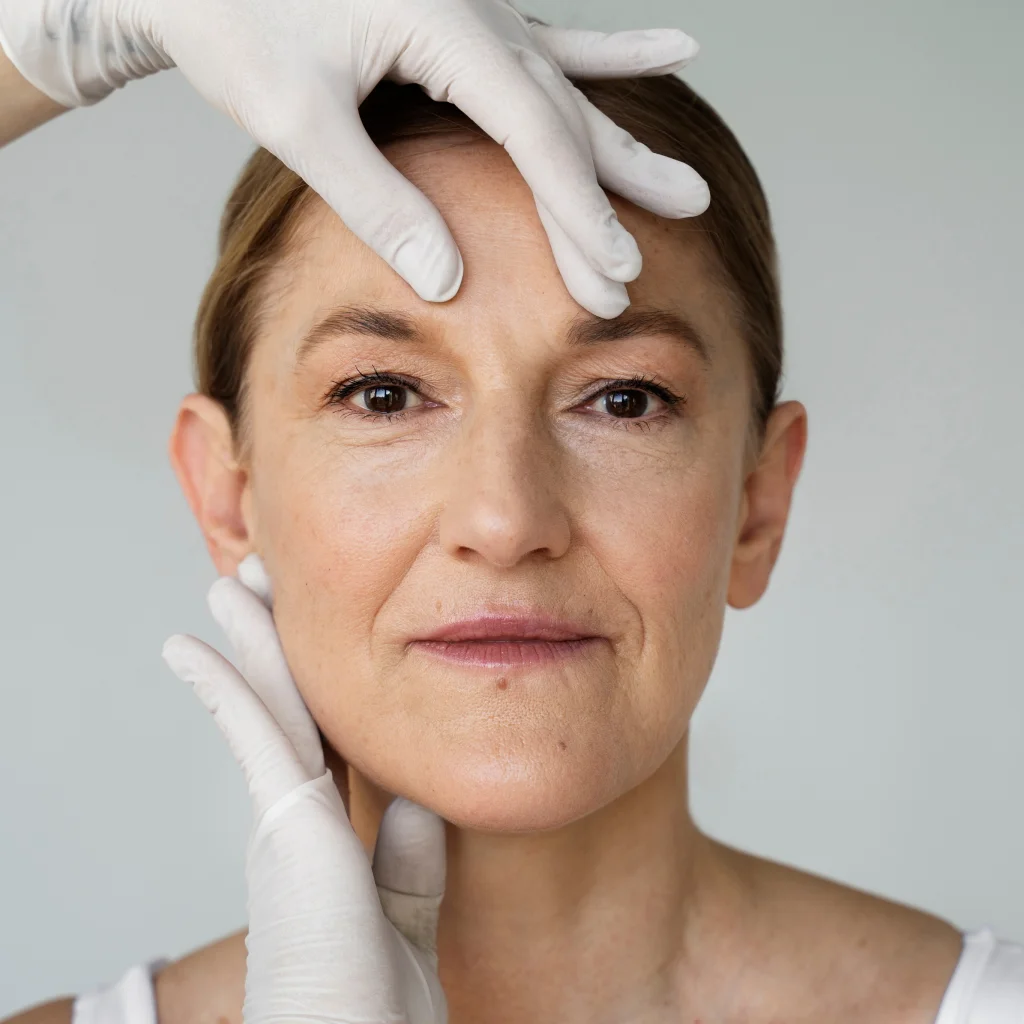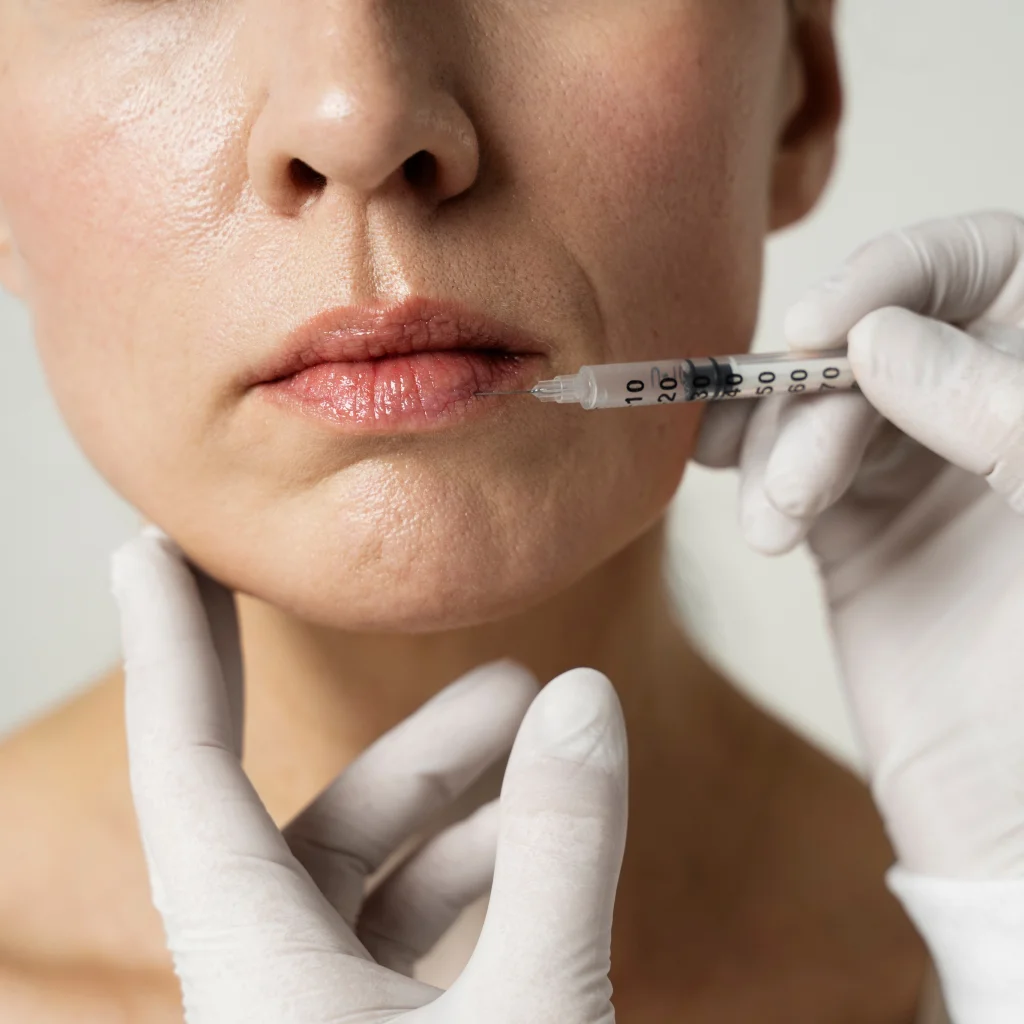
In this article we will talk about how to properly care for your skin after aesthetic procedures, as well as how to choose moisturizing skin care.

The Recovery Edit
Aesthetic treatment doesn't end when you leave the clinic. What happens afterward can be just as important as the procedure itself.
Whether you have undergone laser treatment, skin resurfacing, radiofrequency, ultrasound lifting, Botox, dermal fillers, skin boosters, or another aesthetic procedure, your skin and tissues need time to respond.
Some treatments create an immediate visible change. Others work gradually, stimulating collagen remodeling or improving skin quality over several weeks or months.
Understanding this recovery period—and knowing when to leave your skin alone—can help you recover more comfortably and protect the result of your treatment.
01
Protect
Give recovering skin the protection and gentle care it needs.
02
Recover
Allow temporary redness, swelling and sensitivity time to settle.
03
Wait
Collagen remodeling and final results often need time to develop.
04
Review
Follow-up helps evaluate healing and the real treatment result.
Follow Your Clinic's Instructions
There is no universal aftercare routine that is appropriate for every aesthetic procedure.
After a gentle injectable treatment, you may be able to return to most normal activities relatively quickly. After an ablative laser or more intensive resurfacing procedure, your skin may require significantly more careful protection.
Your doctor may give you specific instructions regarding:
- Cleansing
- Recovery creams
- Sunscreen
- Makeup
- Exercise
- Alcohol
- Saunas and hot baths
- Facial massage
- Sleeping position
- Medications
Aftercare should match the treatment you actually received—not a generic routine found online.
Don't Judge the Result Too Early
One of the most common mistakes after an aesthetic treatment is evaluating the final result too soon.
Immediately afterward, the treated area may look different because of swelling, redness, bruising, temporary sensitivity, or other short-term effects.
Dermal fillers can initially produce swelling or temporary firmness around injection sites. Energy-based treatments may cause temporary redness or swelling, while procedures designed to stimulate collagen can continue producing changes long after the appointment itself.
What you see in the mirror on the first day is not necessarily your final result.

03 / Protection
Protect Your Skin From the Sun
Freshly treated or recovering skin may be more vulnerable to irritation and unwanted pigmentation.
Depending on your treatment, your doctor may recommend avoiding prolonged direct sunlight, using broad-spectrum sunscreen, wearing a hat, seeking shade, and reapplying sunscreen when needed.
After resurfacing or pigmentation treatments, these precautions can be particularly important.
04 / SKINCARE
Keep It Simple
More skincare is not necessarily better after a procedure.
Patients sometimes try to accelerate their results by immediately returning to exfoliating acids, retinoids, scrubs, strong vitamin C products, or multiple active ingredients.
Recently treated skin may not appreciate the extra attention. After treatments that temporarily irritate the skin barrier, a simpler routine may be preferable.
Gentle cleansing → appropriate moisturizer → sun protection.
05 / HEAT
Exercise May Need to Wait
Intense exercise increases body temperature and blood flow and may worsen temporary swelling or bruising after certain procedures.
Depending on your treatment, the clinic may temporarily ask you to avoid saunas, steam rooms, very hot showers, hot baths, intensive workouts, or heated yoga.
There is no universal waiting period. Ask how long these restrictions apply to your specific treatment.
Swelling Doesn't Always Mean Something Is Wrong
Swelling can be a normal response to fillers, injectables, laser treatments, lifting procedures, and other aesthetic treatments.
The amount can vary considerably from one patient to another.
01
Different anatomy
Your facial structure and tissues influence how you recover.
02
Different treatment
Technique, treatment intensity and injection volume all matter.
03
Different recovery
Your healing timeline does not need to look like someone else's.
06 / TOUCH
Be Careful With Massage
Patients sometimes instinctively massage an area that feels swollen, firm, or slightly uneven.
That is not always a good idea.
Massage may be recommended after certain treatments, while after others your doctor may specifically want you to avoid manipulating the area.
The same applies to gua sha, facial rollers, home devices, and strong facial massage.
When in doubt, ask before touching.
07 / MAKEUP
When Can You Start Again?
After some minimally invasive treatments, makeup may be permitted relatively quickly.
After procedures that affect the skin surface, however, cosmetics may need to wait until the skin barrier has sufficiently recovered.
If you're planning treatment before a wedding, photoshoot, holiday, or important event, don't assume you will be camera-ready the following day.
Discuss expected social downtime with your clinic beforehand.
08 / Collagen
Give Collagen Time to Develop
Some aesthetic procedures are not designed to create their full effect immediately.
Radiofrequency, ultrasound, certain lasers, microneedling, collagen stimulators, and other regenerative approaches may rely partly on biological processes that continue after treatment.
Your body needs time to remodel tissue and produce new collagen. Evaluating these procedures after only several days can therefore give you an inaccurate impression of the result.
Don't ask only:
“What do I look like today?”
Ask:
“When should I realistically evaluate my final result?”
“What do I look like today?”
Ask:
“When should I realistically evaluate my final result?”

09 / WAIT
Don't Rush Into Another Procedure
When patients begin aesthetic treatments, it can be tempting to correct everything at once.
But more treatment is not always better treatment.
Sometimes the most appropriate next step is simply to wait. Allowing swelling to resolve and tissues to settle makes it easier to evaluate what has already been achieved.
10 / RECOVER
Let Your Body Do Its Work
Aesthetic recovery does not require complicated wellness rituals.
Adequate sleep, normal hydration, appropriate nutrition, and following your clinic's instructions provide a sensible environment for recovery.
After more intensive facial procedures, your doctor may also recommend temporarily adjusting your sleeping position.
Know What Is Normal—and What Isn't
Before leaving the clinic, you should understand which symptoms are expected during recovery and which symptoms should prompt you to contact the medical team.
- 01 How much swelling is normal?
- 02 How long should redness last?
- 03 Is bruising expected?
- 04 Should the area feel tender?
- 05 When should I contact the clinic?
- 06 What symptoms require urgent medical attention?
Mild swelling after certain treatments may be expected, while rapidly worsening or unusual symptoms may require medical evaluation.
If you experience severe or rapidly worsening pain, unusual skin-color changes, visual symptoms, or other concerning symptoms, contact your medical provider promptly and follow their emergency instructions.
Follow-Up Is Part of the Treatment
Aesthetic treatment does not necessarily end when you leave the procedure room.
A follow-up appointment allows the medical team to evaluate healing, assess the result, and determine whether anything else is needed.
For treatments that develop gradually, follow-up also provides a more meaningful opportunity to compare progress.
Standardized photographs taken before treatment and at appropriate follow-up intervals can make subtle improvements easier to recognize.
Maintenance Matters Too
Many aesthetic procedures are not permanent. Skin continues to age, facial movement continues, and environmental factors continue to affect the skin.
Maintenance does not necessarily mean repeating the same treatment as often as possible.
DAILY
Protect
Appropriate skincare and consistent sun protection.
PERIODICALLY
Maintain
Professional treatments when they are genuinely indicated.
OVER TIME
Reassess
Your skin, anatomy and aesthetic priorities will change.

The Final Word
The Best Aftercare Is Individual
There is no single post-treatment routine that works for every patient. The correct aftercare depends on what was treated, which device or injectable was used, treatment intensity, your skin characteristics, medical history, and how your body responds.
Follow your doctor's instructions.
Protect recovering skin.
Give your body time.
Don't interfere unnecessarily with the treated area, and contact your clinic if something doesn't feel right.
Good aesthetic medicine is not only about what happens during the procedure.
What happens afterward matters too.
LUXE BEAUTY HEALTH
Planning an Aesthetic Treatment in Korea?
From laser treatments and skin tightening to injectables and facial contouring, choosing the right procedure is only one part of the process.
Luxe Beauty Health can help you explore suitable clinics and treatment options based on your concerns, desired results, expected downtime, and available time in Korea.
Request a Consultation →