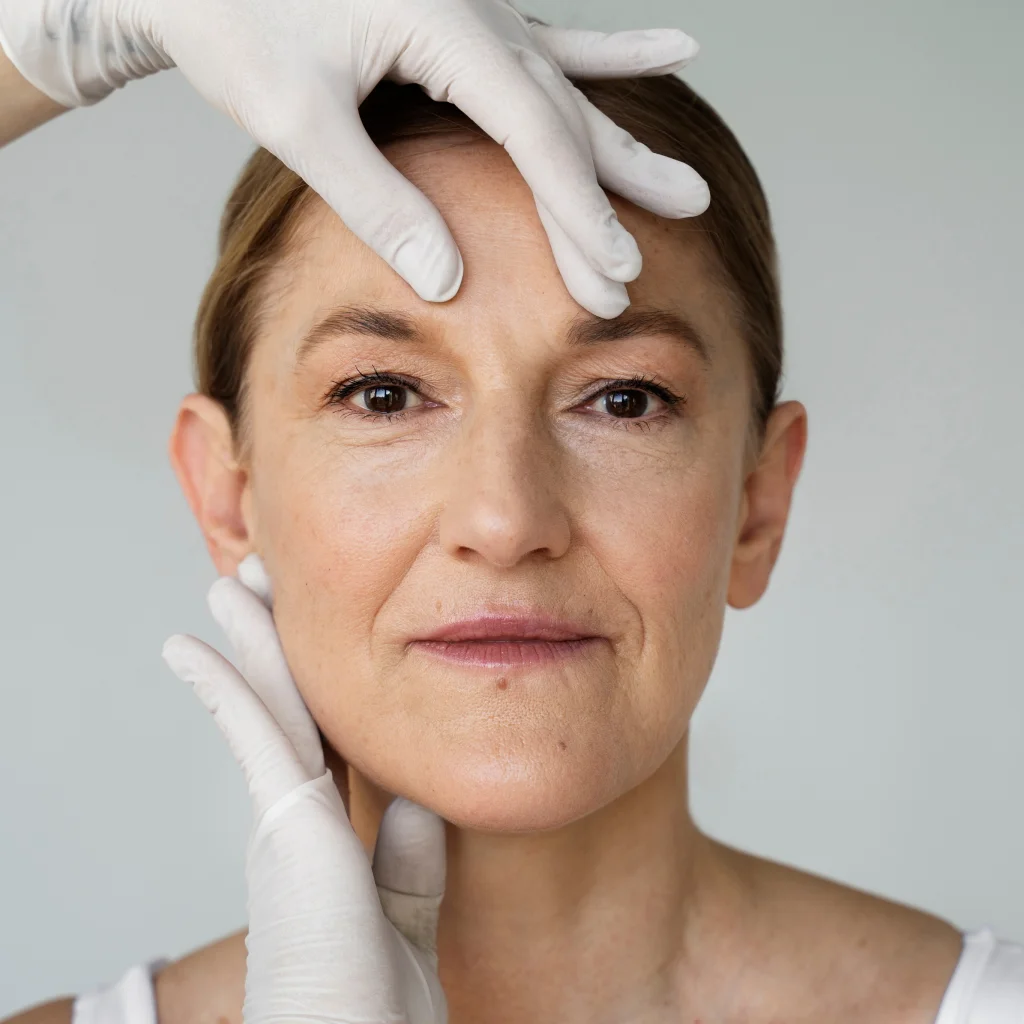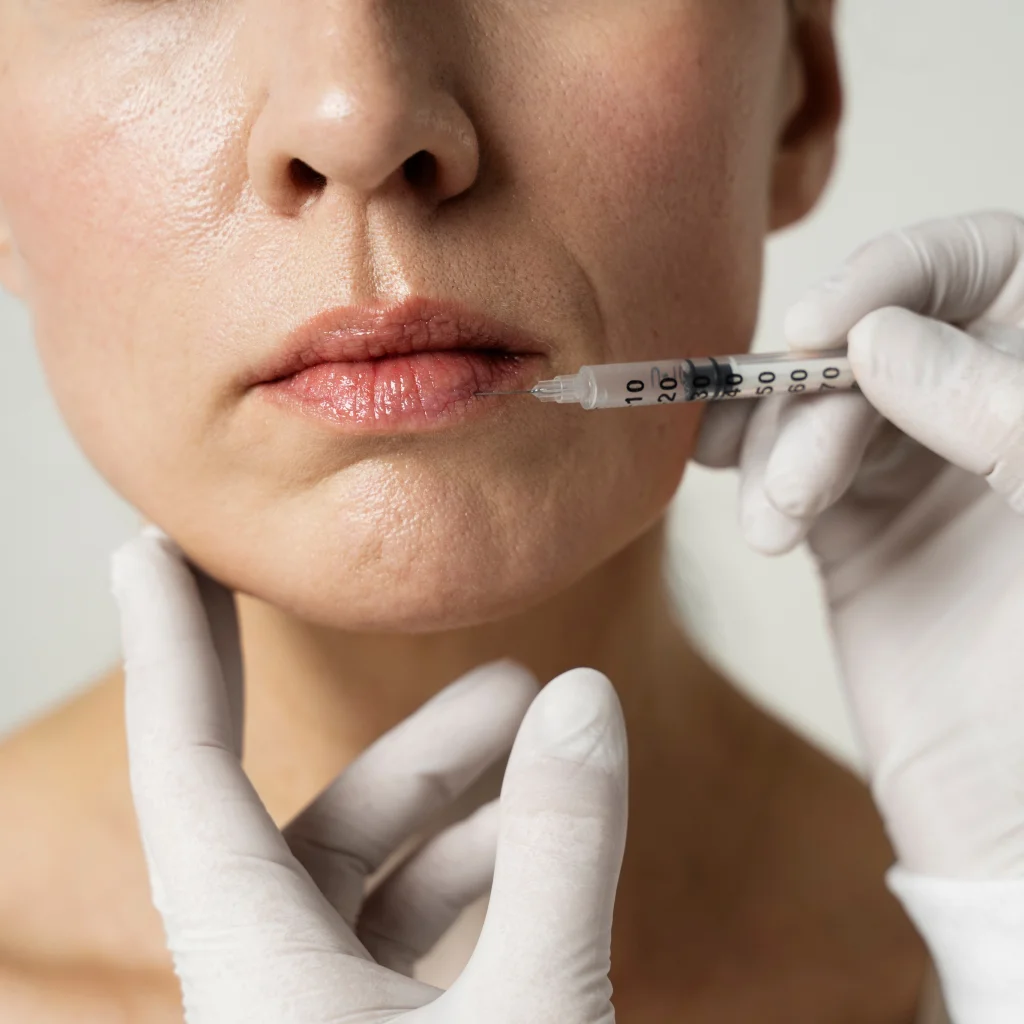
A dermatologist at the Center for Aesthetic Medicine told and showed how to properly prepare the face and the entire body for tanning.

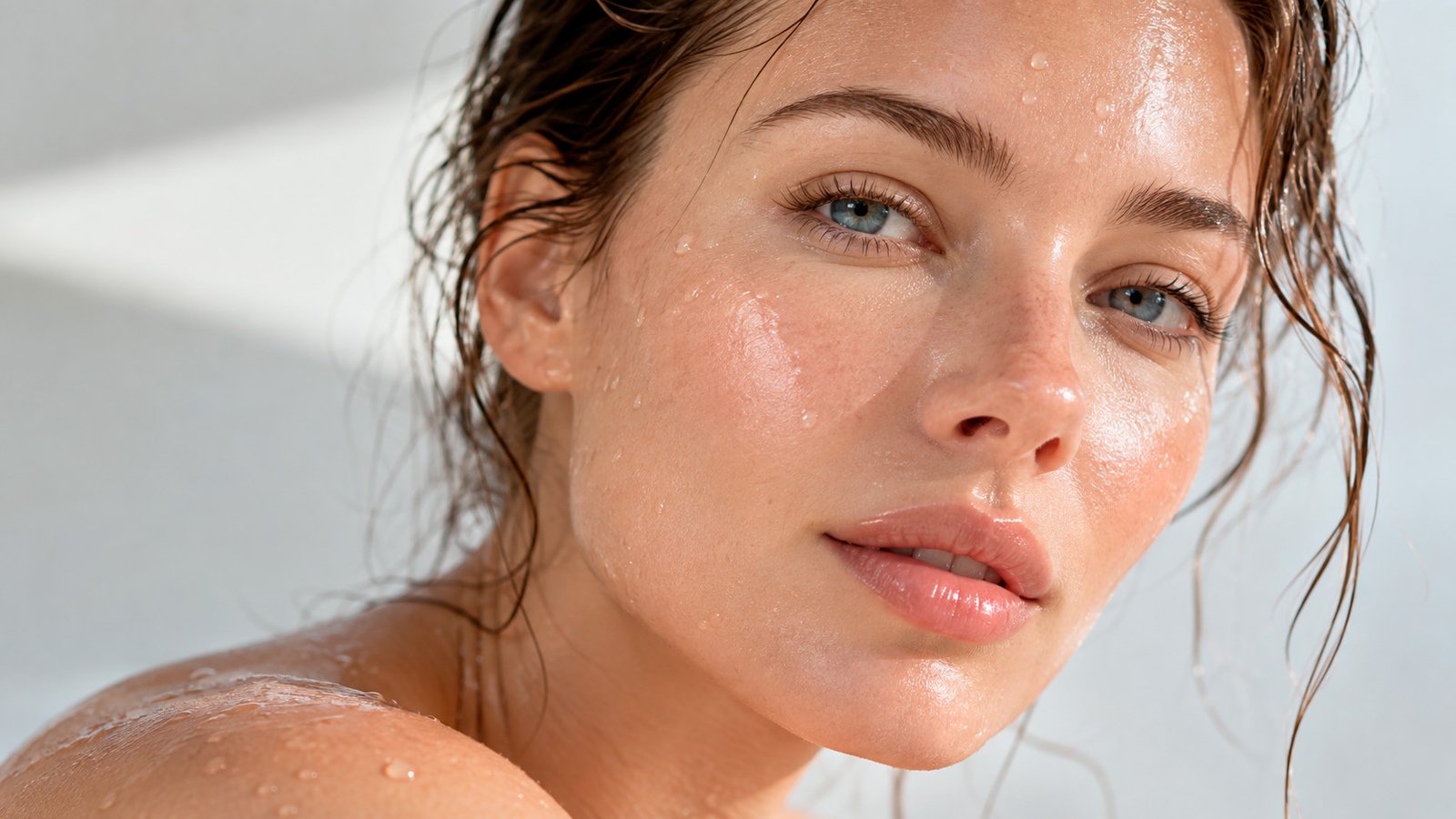
Healthy-looking skin is often associated with smooth texture, softness, and a natural glow. One of the most important factors behind that appearance is proper hydration.
When the skin does not retain enough water, it may begin to feel tight, rough, sensitive, or uncomfortable. Fine lines can also become more noticeable, and makeup may sit unevenly on the surface.
The good news is that maintaining skin hydration does not necessarily require a complicated routine. A few consistent habits can make a significant difference.
Here are 10 simple ways to help keep your skin hydrated and support a healthy skin barrier.
What Does Hydrated Skin Actually Mean?
Hydrated skin contains sufficient water within its outer layers. This helps the skin remain flexible, smooth, and comfortable.
Dehydrated skin and dry skin are not exactly the same thing.
Dry skin is generally associated with insufficient natural oils, while dehydrated skin lacks water. This means that even oily or combination skin can become dehydrated.
Common signs of dehydration may include:
- Tightness after cleansing
- Dull or tired-looking skin
- Rough or uneven texture
- Increased sensitivity
- Fine dehydration lines
- Makeup that looks patchy or settles into fine lines
Supporting hydration therefore involves both adding moisture and helping the skin prevent excessive water loss.
01
Use a Gentle Cleanser
Cleansing is essential, but aggressive cleansing can disrupt the skin's protective barrier.
Very strong cleansers, excessive exfoliation, or frequent washing may remove too much of the skin's natural oil and increase moisture loss.
Choose a gentle cleanser appropriate for your skin type. After cleansing, your skin should feel clean and comfortable rather than extremely tight or “squeaky.”
02
Apply Moisturizer While Your Skin Is Slightly Damp
One of the easiest ways to support hydration is to apply your skincare products shortly after cleansing.
When the skin is still slightly damp, hydrating ingredients can help attract and retain water while moisturizer creates a protective layer that reduces moisture loss.
03
Look for Hydrating Ingredients
The formulation of your skincare products matters more than simply applying a large amount of moisturizer.
Hyaluronic Acid — helps attract and retain water in the skin.
Glycerin — a widely used humectant that helps draw moisture
into the outer layers of the skin.
Ceramides — lipids naturally present in the skin barrier
that help reduce moisture loss.
Panthenol — commonly used to support hydration and soothe the skin.
Squalane — helps soften the skin and support its protective barrier.
The ideal combination depends on your skin type, climate, and current condition.
04
Avoid Over-Exfoliating Your Skin
Exfoliation can improve dullness and uneven texture, but more is not always better.
Using acids, scrubs, retinoids, or exfoliating treatments too frequently may weaken the skin barrier and increase sensitivity and water loss.
If your skin suddenly becomes tight, red, flaky, or unusually sensitive, reducing exfoliation may be more beneficial than adding additional active ingredients.
05
Protect Your Skin From the Sun
Daily sun protection is important not only for preventing pigmentation and premature skin aging but also for maintaining overall skin health.
Use a broad-spectrum sunscreen during the day and reapply when appropriate, particularly when spending extended periods outdoors.
06
Adjust Your Routine to the Weather
Your skin does not necessarily need the same routine throughout the entire year.
Cold weather, indoor heating, air conditioning, low humidity, strong wind, and prolonged sun exposure can all influence moisture loss.
During dry periods, you may benefit from richer moisturizers or additional barrier-supporting products. During hot and humid weather, lighter hydrating formulations may feel more comfortable.
07
Do Not Take Extremely Hot Showers
A long, hot shower may feel relaxing, but very hot water can contribute to dryness by removing some of the natural oils from the skin's surface.
Use comfortably warm rather than extremely hot water, particularly if your skin is already dry or sensitive.
08
Support Hydration From Within
Skincare products work primarily on the skin's surface and outer layers, while overall hydration also depends on general health and lifestyle.
Drink fluids regularly throughout the day according to your body's needs. A balanced diet containing vegetables, fruits, protein, and healthy fats also provides nutrients needed for normal skin function.
However, simply drinking very large quantities of water does not automatically correct dehydrated skin. If the skin barrier is compromised, topical skincare remains important.
09
Be Careful With Too Many Active Ingredients
Modern skincare routines can become surprisingly complicated. Retinol, vitamin C, exfoliating acids, acne treatments, brightening ingredients, toners, serums, masks, and multiple devices may all end up being used simultaneously.
More products do not necessarily mean better skin.
Combining too many strong active ingredients can cause irritation and damage the skin barrier, leaving the skin feeling drier and more sensitive.
10
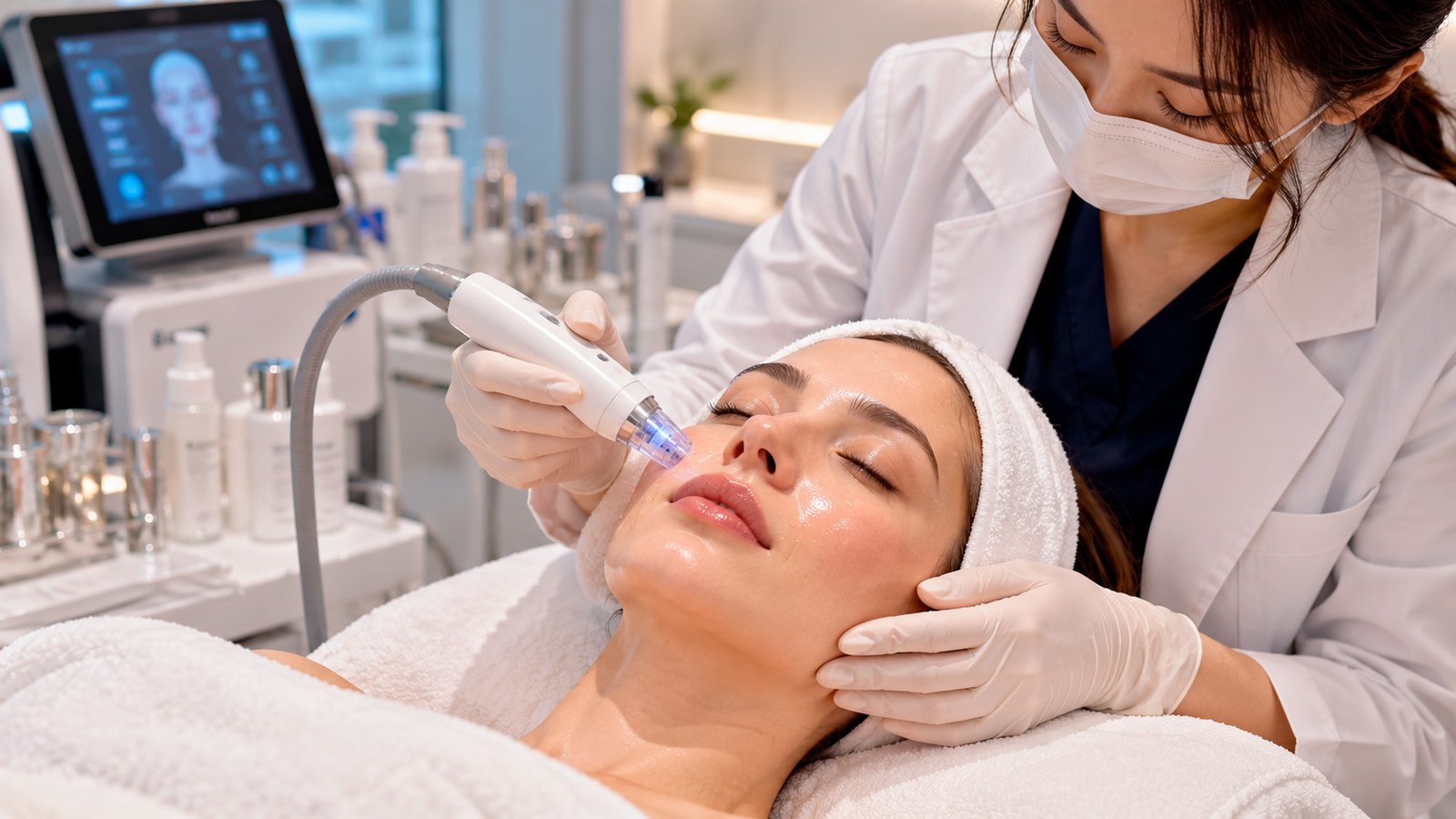
Consider Professional Skin Treatments
Home skincare is the foundation of maintaining hydrated skin, but some patients want additional improvement in skin texture, elasticity, fine lines, or overall skin quality.
Korean dermatology and aesthetic clinics offer a variety of treatments that may be incorporated into an individualized skin program.
Depending on the condition of the skin, a doctor may recommend treatments such as:
- Hydrating skin boosters
- Rejuran
- Juvelook
- Hyaluronic-acid-based injectable treatments
- Selected laser treatments
- Gentle chemical peels
- LED or soothing treatments
- Professional facial and barrier-recovery programs
The appropriate treatment depends on the patient's skin type and concerns. A treatment that works well for dry, aging skin may not be appropriate for sensitive, acne-prone, or irritated skin.
Hydration vs. Moisturizing: What's the Difference?
Although the terms are often used interchangeably, they describe slightly different functions.
Hydration
Focuses primarily on increasing the water content of the skin and helping it appear smoother and more supple.
Moisturizing
Helps soften the skin and reduce the loss of water through the protective skin barrier.
For many people, the best skincare routine does both. The goal is to create a balance between supplying hydration and supporting the skin barrier.
When Should You See a Dermatologist?
Occasional dryness or tightness can often be improved by adjusting your skincare routine.
However, persistent dryness, itching, redness, peeling, burning, or significant sensitivity may indicate something other than simple dehydration.
Conditions such as eczema, dermatitis, rosacea, acne treatments, allergies, and certain medications can affect the skin barrier. If symptoms continue despite appropriate skincare, professional evaluation is recommended rather than repeatedly adding new cosmetic products.
Simple Daily Routine for Hydrated Skin
You do not need a complicated 10-step routine to maintain healthy-looking skin.
Morning
Gentle cleansing → Hydrating serum or toner → Moisturizer → Sunscreen
Evening
Gentle cleansing → Hydrating or barrier-supporting serum → Moisturizer
Additional active ingredients can then be introduced according to your individual skin concerns and tolerance. Consistency is usually more important than the number of products in your routine.
Discover Skin Treatments in Korea
If your skin feels dehydrated, dull, sensitive, or lacks elasticity despite a consistent skincare routine, professional treatments may provide additional options.
Tell us about your skin concerns and what you would like to improve. Luxe Beauty Health can help you explore dermatology and aesthetic clinics in Korea and identify treatment options based on your individual goals.
Request a Consultation